


In the competitive world of printing, the details matter. Custom edge finishes can elevate your printed materials from ordinary to extraordinary, making them stand out in a crowded marketplace. Whether you’re designing a book, a journal, a bible, or a set of card, the edges of your printed pieces can significantly impact their overall appeal and functionality. In this article, we will explore various custom edge options, how to choose the right finish, and the benefits of these enhancements.
Why Edge Finishes Make a Difference
Edge finishes may seem like a small detail in the grand scheme of printing, but they can actually have a significant impact on the overall appearance and quality of the final product. Here are some reasons why edge finishes make a difference:
First Impressions in Print
The first impression is often the most lasting, especially in print. When potential customers or clients receive a printed piece, the edges can be the first thing they notice. Custom edges not only enhance the aesthetic appeal but also convey a sense of quality and attention to detail. A well-finished edge can suggest professionalism and care, setting the tone for the entire piece.
Research shows that people often make judgments based on visual cues. A printed piece with sharp, unrefined edges may be perceived as cheap or hastily produced. In contrast, custom edges can evoke feelings of luxury and sophistication. This psychological impact can influence how your audience perceives your brand and its values.
Custom edge finishes can transform a simple printed item into a memorable experience. For instance, a book with gilded edges not only looks stunning but also feels special to hold. This tactile experience can create a deeper connection with the reader, making them more likely to engage with the content.
Standing Out in a Crowded Market
In today’s saturated market, differentiation is key. Custom edge finishes provide an opportunity to set your printed materials apart from the competition. With so many options available, you can tailor your edges to reflect your brand’s identity and message.
A distinctive edge finish can serve as a unique selling proposition (USP). For example, if your brand is known for its creativity, using custom sprayed book edges in vibrant colors can reinforce that image. This attention to detail can help your printed materials resonate with your target audience and leave a lasting impression.
Custom edges can also enhance brand recognition. By incorporating specific edge finishes that align with your brand’s colors or themes, you create a cohesive look across all your printed materials. This consistency helps reinforce your brand identity and makes it more recognizable to consumers.
Popular Custom Edge Options
When it comes to custom edge finishes, the options are plentiful. Here are some popular choices that can elevate your printed materials:
Gilded Edges
 Gilded edges are a timeless classic in the world of book printing and binding. Originating in the Middle Ages, gilding has been used to protect and decorate the edges of books. The process involves applying a thin layer of gold or silver foil to the edges of printed matter. Not only does gilding add a touch of opulence, but it also protects the paper from dirt and moisture.
Gilded edges are a popular choice for coffee table books, art books, special edition books or series books, Bibles and other religious books, notebooks, journals, card decks, and more, creating a luxurious and elegant feel.
The technique of gilding has evolved over time, allowing for a variety of metals to be used, such as silver, copper, and platinum. These variations offer different hues and effects, enabling authors and publishers to match the edge design with the book’s theme or cover art. Additionally, modern gilding techniques can incorporate custom designs, adding an extra layer of customization.
For those looking to create a truly unique product, gilded edges can be combined with other custom edge techniques. For instance, a book can have gilded edges with a painted design overlay, resulting in a truly bespoke appearance. Gilding not only enhances the visual appeal but also increases the perceived value of the book, making it an excellent choice for special editions or collector’s items.
Painted Edges

Painted edges are an excellent way to inject color and creativity into a book. Unlike gilded edges, which focus on metallic hues, painted edges allow for a wide spectrum of colors and designs. This technique involves applying paint to the edges of a book, either by hand or through a mechanized process, resulting in a striking and modern aesthetic.
One of the main benefits of painted edges is the freedom it offers in terms of design. Authors and publishers can choose solid colors, gradients, or even intricate patterns to match the book’s theme or cover. This versatility makes painted edges a popular choice for novels, special edition books, bibles, and art books that aim to capture the reader’s attention from the first glance.
In addition to aesthetic appeal, painted edges also provide a layer of protection to the pages. The paint acts as a barrier against dust and grime, ensuring that the book remains in pristine condition for longer. Whether you’re looking to create a vibrant splash of color or a subtle accent, painted edges offer endless possibilities for customization.
Edge Printing
 Edge printing is another innovative technique that brings artistry to the forefront of book production. This method involves printing images, text, or patterns directly onto the edges of a book. Edge printing is particularly popular for branding purposes, as it provides an additional space for logos, quotes, or unique graphics.
The process of edge printing requires precision and expertise. Specialized equipment is used to ensure that the print aligns perfectly with the edges, maintaining the integrity of the design. This technique allows for high levels of detail, making it ideal for books that require complex patterns or imagery.
Edge printing can be combined with other edge customization techniques to create a multi-dimensional effect. For example, a book with painted edges can also feature printed designs, resulting in a dynamic and eye-catching product. This method is perfect for those looking to push the boundaries of traditional book design and create something truly memorable.
Rounded Corners
 Rounded corners are a subtle yet impactful alteration that can enhance the overall look and feel of a book. This technique involves trimming the sharp edges of a book into smooth, rounded shapes, creating a softer and more approachable appearance. Rounded corners are often used in children’s board books, card deck, bibles, journals, and notebooks to add a touch of elegance and comfort.
The benefits of rounded corners extend beyond aesthetics. Rounded corners are less prone to damage, reducing the risk of bent or frayed edges. This durability makes them an ideal choice for books that are frequently handled or transported. Additionally, rounded corners are less likely to cause injury, making them a safer option for children’s books or educational materials.
For those seeking to create a harmonious design, rounded corners can be paired with other custom edge techniques. For instance, the card deck or book with gilded can also feature rounded corners, resulting in a cohesive and polished look. This combination not only enhances the visual appeal but also improves the book’s functionality and durability.
Cut Index Tab
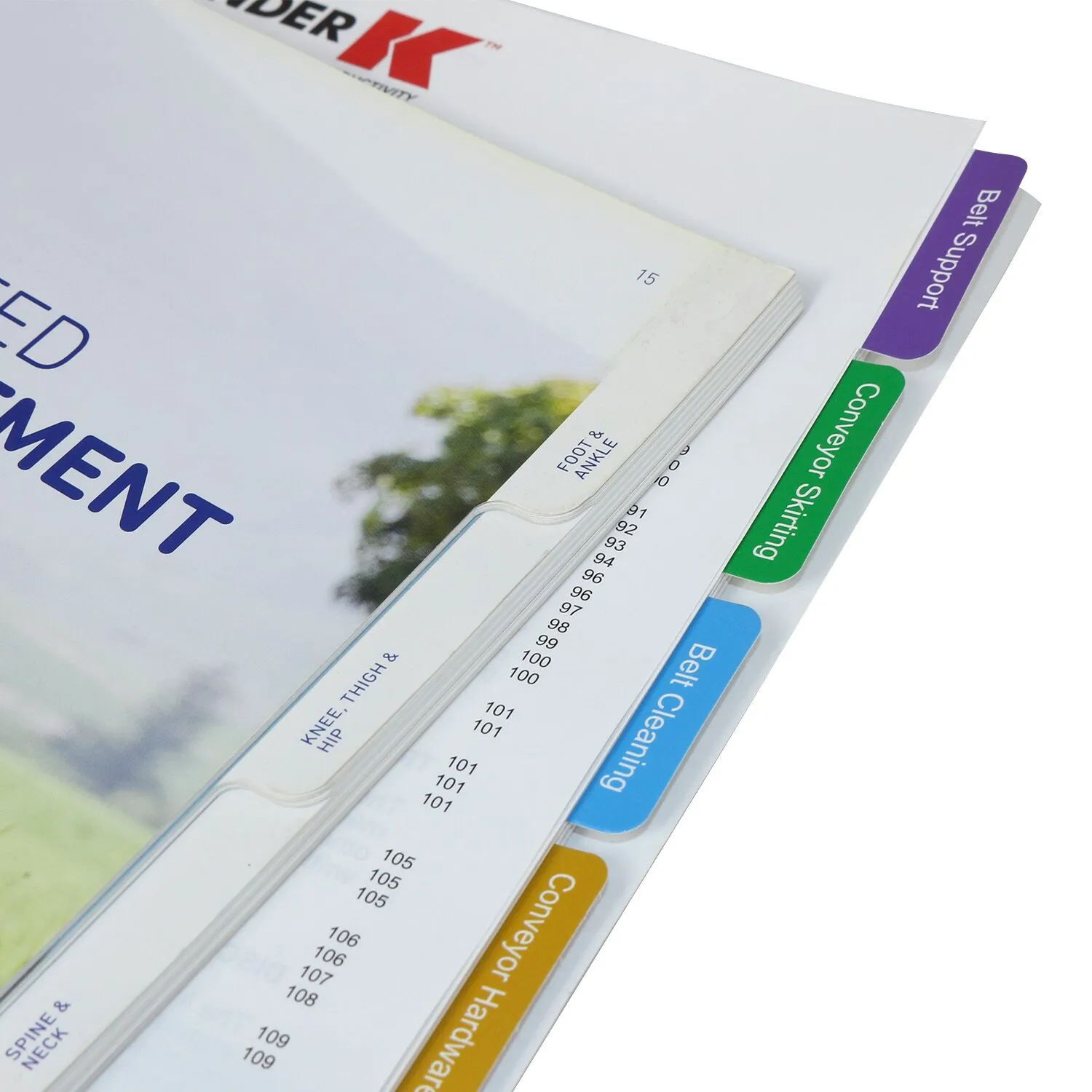 Cut index tabs are a practical and stylish feature that adds both functionality and flair to a book. These tabs are small notches or cuts made along the edge of a book, allowing for easy navigation between sections or chapters. Cut index tabs are commonly used in reference books, bibles, catalogs, manuals, and planners to facilitate quick access to information.
The design of cut index tabs can vary greatly, from simple rectangular cuts to intricate shapes or patterns. This customization allows for the integration of branding elements or thematic designs, adding a personal touch to the book. Cut index tabs can also be color-coded or labeled, further enhancing their utility and visual appeal.
In addition to their practical benefits, cut index tabs contribute to the overall aesthetic of a book. They create a unique silhouette and add texture to the edges, making the book stand out on a shelf. For those looking to combine style with functionality, cut index tabs offer an ideal solution that caters to both form and function.
Thumb Index
Thumb indexes are a unique feature that provides both aesthetic appeal and practical benefits. This method involves creating semicircular cutouts along the edge of a book, allowing readers to quickly locate specific sections or chapters. Thumb indexes are commonly used in dictionaries, bibles, encyclopedias, and other reference materials to enhance user experience.
The design of thumb indexes can be customized to match the book’s theme or branding. These cutouts can be labeled or color-coded, providing both a visual cue and a tactile guide for readers. Thumb indexes not only improve the functionality of a book but also add a distinctive and sophisticated touch to its design.
Implementing thumb indexes requires precision and expertise, as the cutouts must align perfectly with the corresponding content. This attention to detail ensures that the book remains cohesive and user-friendly. By incorporating thumb indexes into your book design, you can create a product that is both visually appealing and highly functional.
Deckled Edges
 Deckled edges are a classic feature that evokes a sense of tradition and craftsmanship. This technique involves creating an uneven, feathered edge on the pages of a book, mimicking the look of handmade paper. Deckled edges are often associated with vintage or artisanal books and are used to convey a sense of authenticity and sophistication.
The process of creating deckled edges involves using specialized equipment to carefully tear the edges of the paper, resulting in a natural and organic appearance. This method can be applied to various types of paper, allowing for versatility in texture and thickness. Deckled edges are a popular choice for poetry books, art books, and limited edition prints.
In addition to their aesthetic appeal, deckled edges add a tactile element to the reading experience. The texture of the edges invites readers to engage with the book on a sensory level, enhancing their connection to the content. For those looking to create a timeless and elegant product, deckled edges offer a unique and captivating option.
Perforated Page
 Perforated pages are a unique feature of printed materials that enable easy tear-off of sections or pages along a pre-defined perforation. This customization option is particularly popular for printed materials that need to serve multiple purposes or have interactive elements.
Perforated pages are commonly used in various products such as activity book, coloring book, notebooks, notepads, coupons, tickets, calendars, and more. By incorporating perforated pages into the printed materials, you can enhance the user experience and make it easier for customers to interact with your brand.
The clean lines created by perforations add a polished and professional look to printed materials. This enhanced aesthetic quality can make a significant impact on the overall perception of a brand or business. Additionally, custom perforated pages can also be used to create unique designs and interactive elements in printed materials, making them more eye-catching and engaging for recipients.
How to Choose the Right Edge Finish
Selecting the appropriate edge finish for your printed materials requires careful consideration. Here are some factors to keep in mind:
Match with Brand Identity
Your edge finish should align with your brand’s identity and image. Consider the message you want to convey and choose an edge style that reflects that. For example, a modern brand may opt for sleek, rounded corners, while a traditional brand might prefer gilded edges.
Consider the Design Style
The design style and aesthetic of the product should guide the choice of edge finish. For a classic and luxurious look, gilded edges may be the preferred option. Alternatively, a colored edge finish or a rough, deckled edge may better suit a more rustic or artistic design.
Consider the Function of the Piece
Think about how the printed piece will be used. If it’s a business card that will be frequently handled, rounded corners may be the best choice to prevent damage. For a luxury book, gilded edges can enhance the overall experience.
Budget and Production Time
Custom edge finishes can vary in cost and production time. Be sure to factor in your budget and timeline when making your decision. Some finishes may require more intricate processes, which can affect both cost and delivery.

Benefits of Custom Edge Finishes
Investing in custom edge finishes offers numerous advantages that can enhance your printed materials:
Visual Appeal and Uniqueness: Custom edges add a layer of visual interest that can make your printed pieces stand out. The uniqueness of these finishes can capture attention and create a memorable impression.
Improved Usability: Certain edge finishes, such as rounded corners, cut index tabs, thumb indexing and perforated pages, can improve the usability of printed materials. These features make it easier for users to handle, navigate through content or tear off the page, enhancing their overall experience.
Enhanced Brand Perception: Custom edge finishes can elevate the perception of your brand. High-quality finishes suggest professionalism and attention to detail, which can instill confidence in your audience and encourage them to engage with your brand.
Custom Edge Printing at Chinaprinting4u
At Chinaprinting4u, we specialize in providing high-quality custom edge printing services tailored to your specific needs. Our team of experts is dedicated to helping you create printed materials that not only meet your expectations but exceed them.
We understand the importance of quality in printing. That’s why we use advanced equipment and eco-friendly materials to ensure that every project is produced to the highest standards. Our commitment to excellence is reflected in our 100% satisfaction guarantee.
Whether you’re looking for gilded edges, painted edges, or rounded corners, we offer a wide range of customization options to suit your project. Our team is here to guide you through the process, helping you choose the best finishes to enhance your printed materials.
We strive to make your custom edge printing experience as seamless as possible. From requesting a quote to final delivery, our team is here to support you every step of the way. Contact us today to discuss your project and discover how we can help you create printed materials that stand out.


 Trustpilot
